
Selection, supply, installation and maintenance
Evaporative Condensers & Cooling Towers
Evaporative condensers and closed-circuit cooling towers for refrigeration and process duty: high heat rejection per square metre, with far lower water consumption than an open circuit.
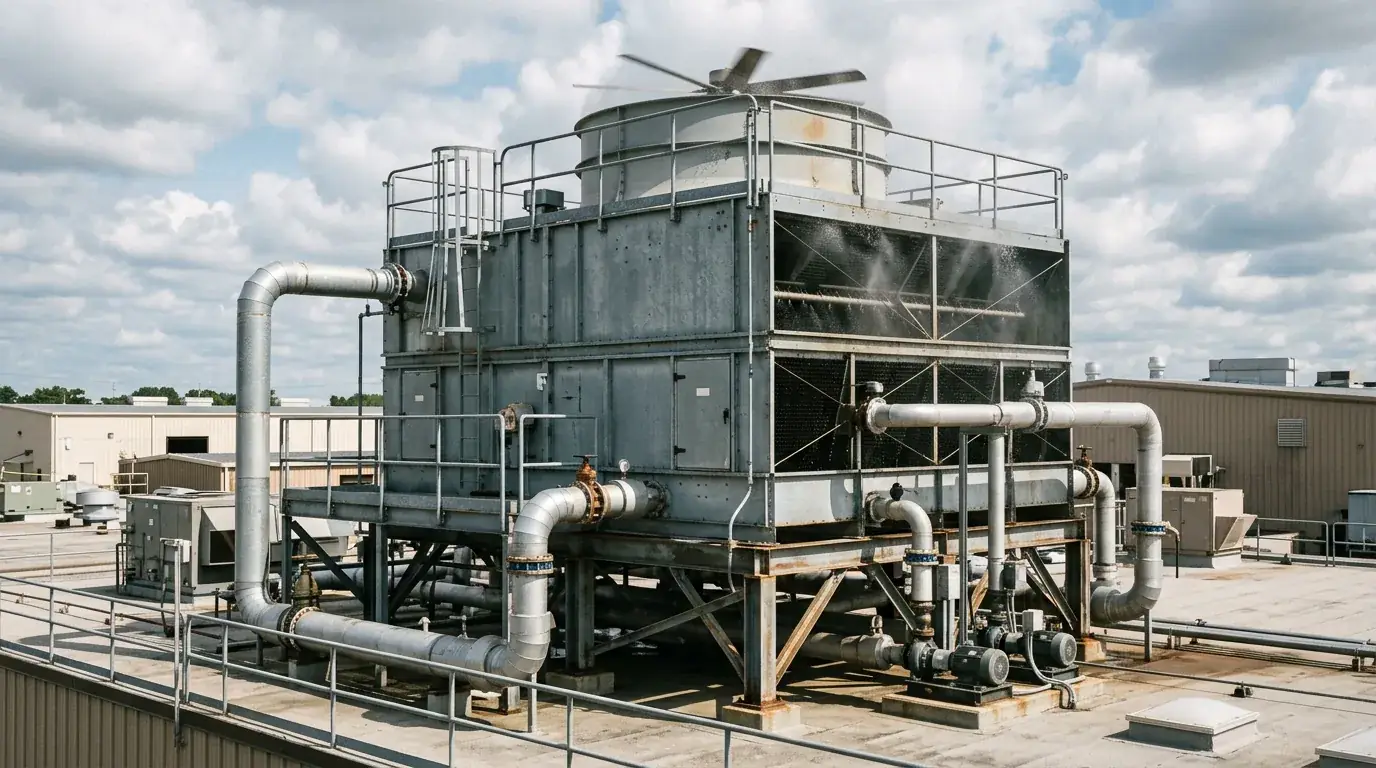
- Less water than an open circuit
- 40%
- Typical service life
- 12+ yrs
- KSA regions served
- 4
How we approach it
An evaporative condenser combines the condenser and the cooling tower in one unit. Refrigerant or process fluid stays inside a closed coil while water is sprayed over it and air is drawn through, so the working fluid never contacts the atmosphere.
That closed circuit is the point. It keeps the process fluid clean, removes the fouling and treatment burden of an open tower, and typically rejects the same load in a smaller footprint than a separate condenser and tower pair.
In Saudi conditions, water is the constraint that matters. We size for the real ambient wet bulb rather than a nominal figure, because a tower selected against an optimistic wet bulb underperforms exactly when the plant needs it most.
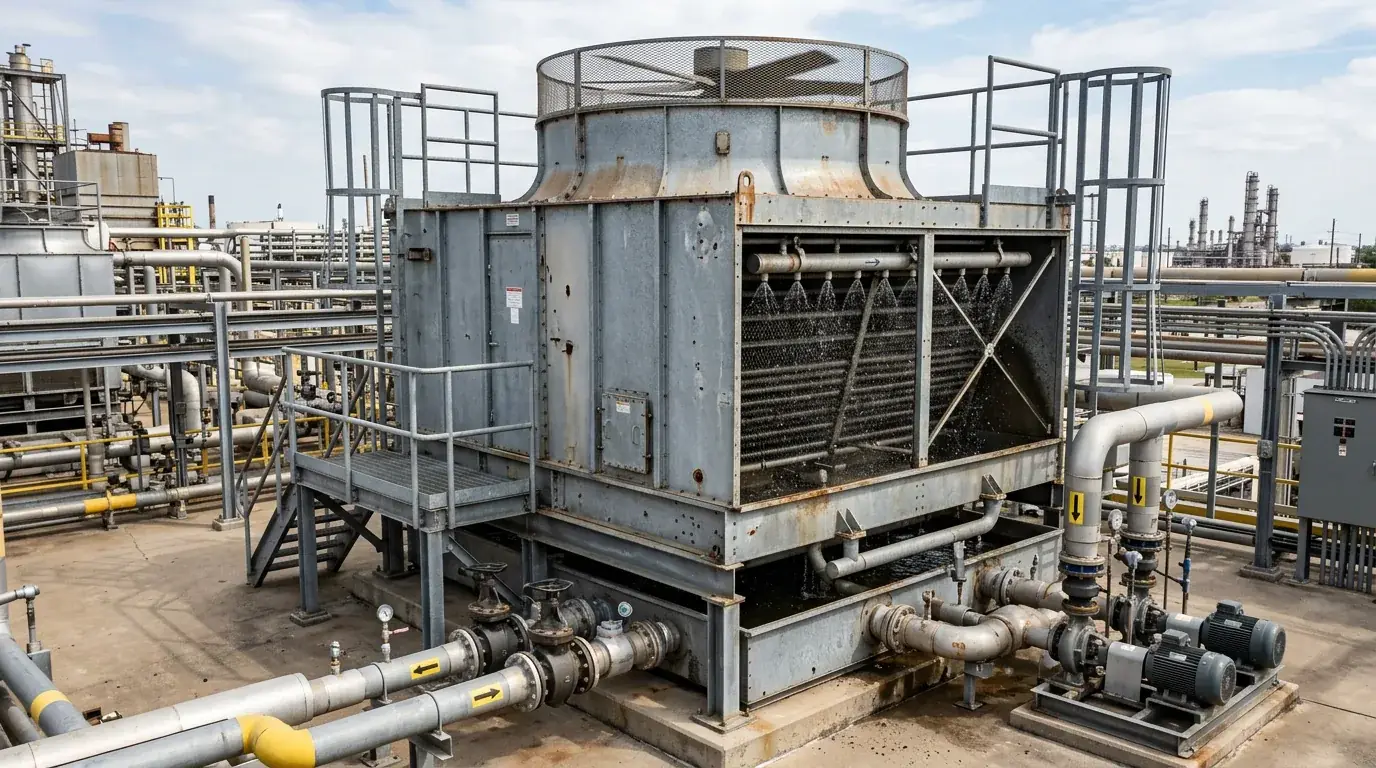
Access stair and fan deck 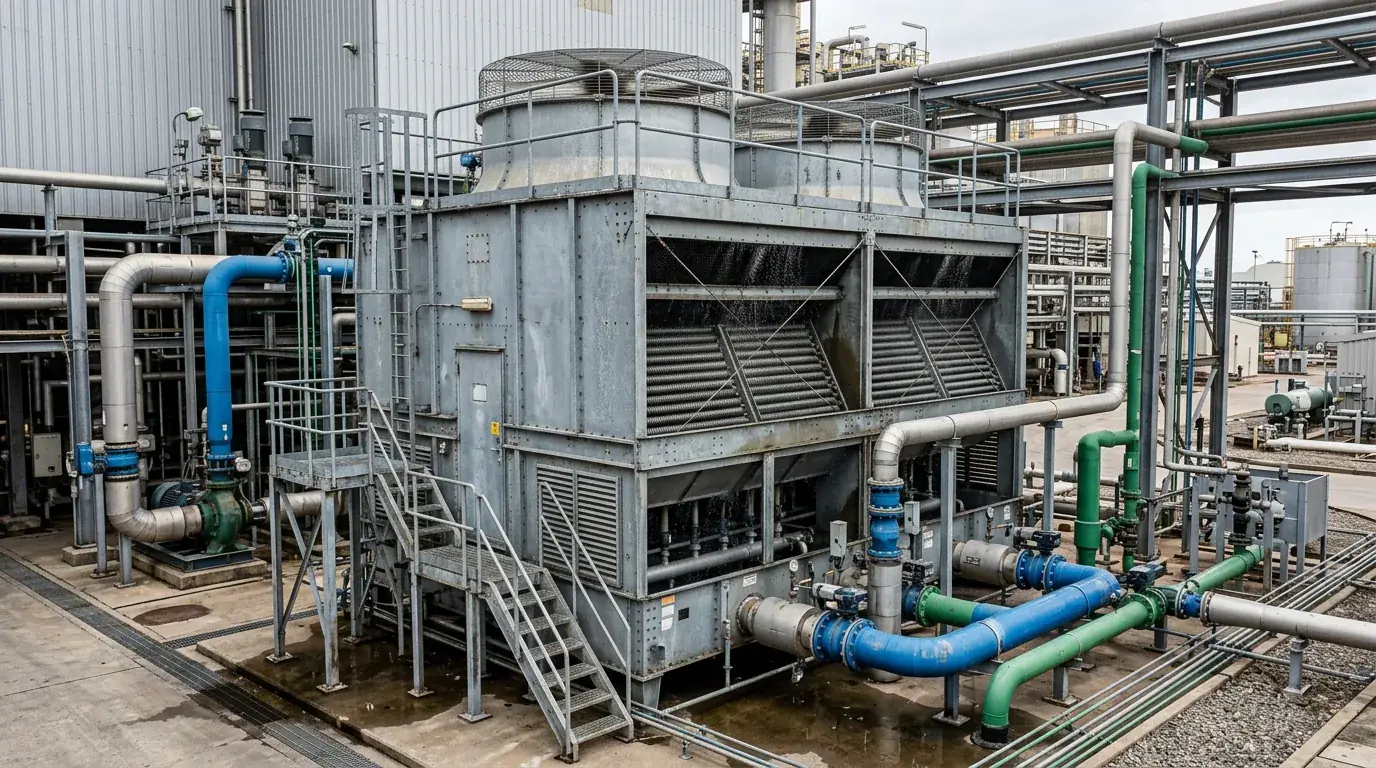
Circulating pipework and valves 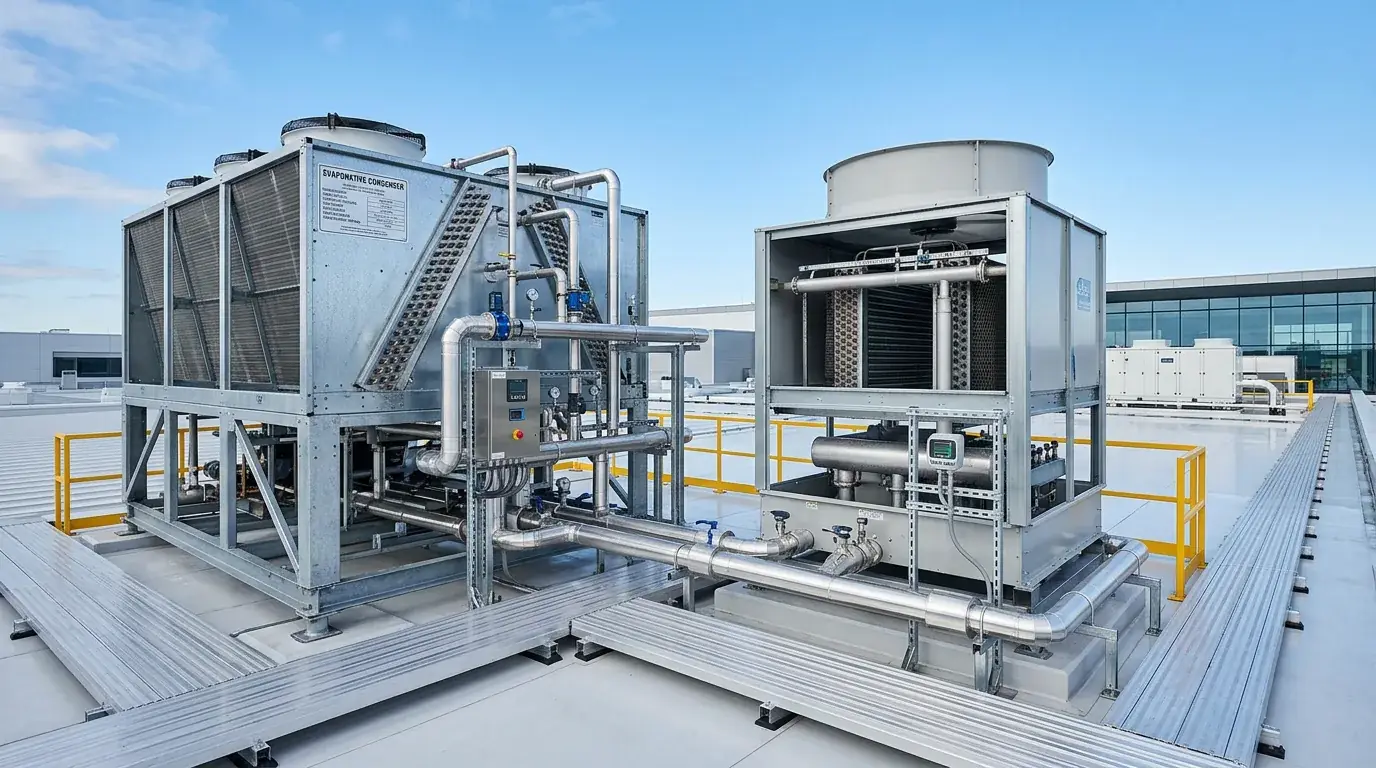
Rooftop condenser and closed-circuit tower
What we can build to
These ranges cover most of what we make. Duties outside them are reviewed case by case rather than refused on principle.
| Configuration | Induced draught, counterflow and crossflow |
|---|---|
| Coil material | Hot-dip galvanised steel or stainless 304/316 |
| Casing | Hot-dip galvanised steel, optional stainless or FRP |
| Design wet bulb | Selected against site conditionsNot a nominal figure |
| Fan drive | Belt or direct gear drive, optional VFD |
| Water treatment | Bleed, dosing and conductivity control interfaces |
Indicative figures. Final specification is confirmed against your duty and a site survey at quotation.
Standards and testing
- Hot-dip galvanising to ASTM A123
- Thermal performance selected to CTI methodology
- Coil pressure tested before dispatch
How the work runs
The same sequence every time, so you know what happens next and what is expected of you at each stage.
Step 1
Load and site survey
Heat rejection duty, refrigerant or process fluid, available space, and the design wet bulb for the actual site, not a regional average.
Step 2
Selection and layout
Unit selection with airflow clearances checked against the real plant room or roof. Recirculation is the most common cause of underperformance and is designed out here.
Step 3
Supply and installation
Delivery, setting, pipework and electrical connection, including make-up water and bleed lines.
Step 4
Commissioning
Water distribution checked across the full coil face, fan rotation and current verified, and approach temperature recorded against the design figure.
Step 5
Ongoing maintenance
Planned service covering fill and eliminator condition, nozzle clearance, drive belts and bearings, and basin cleaning.
Where it is used
- Industrial refrigeration
- Cold storage and food processing
- Process cooling
- District cooling plant
- Ice plants
- Chemical and petrochemical duty
Equipment for this line
Supplied, installed and maintained as part of the same service.
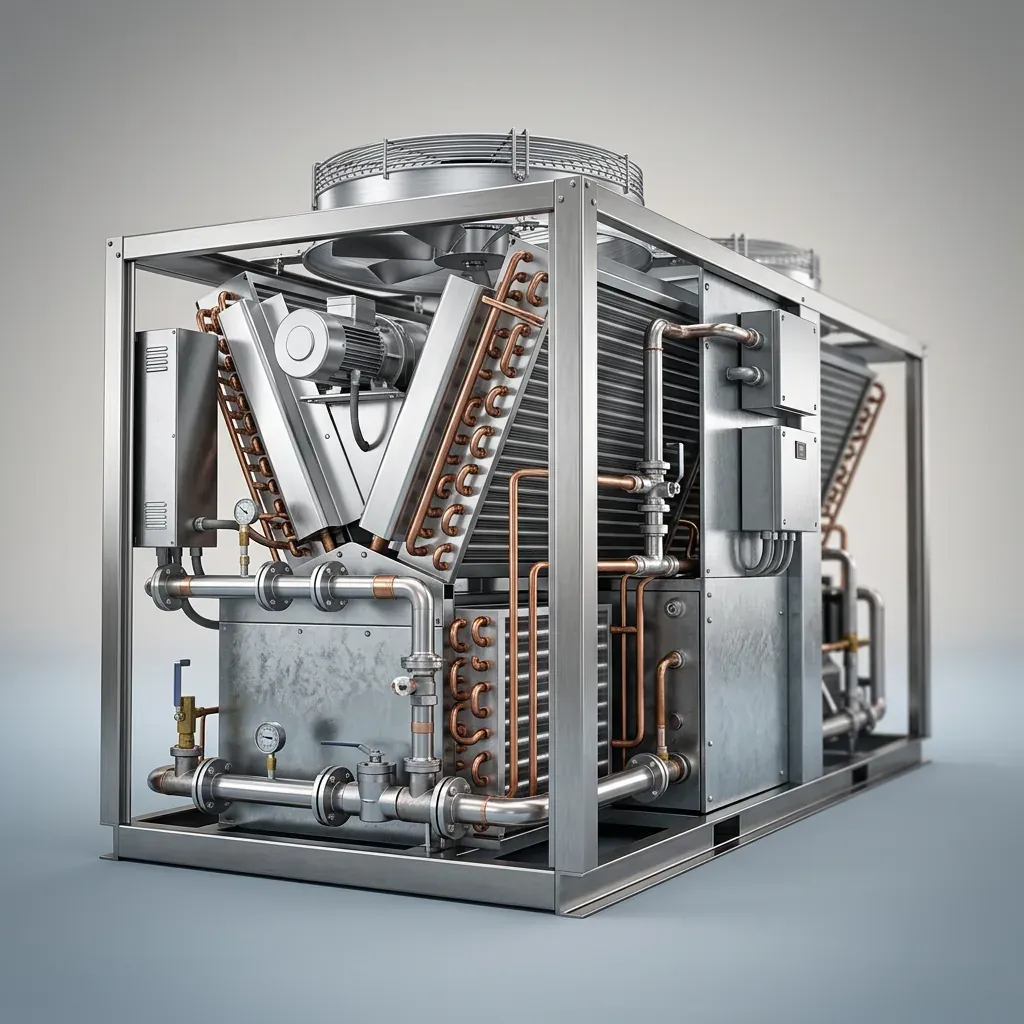
Cooling Towers
Evaporative Condenser
150–2,500 kW per unit for ammonia, HFC and HFO
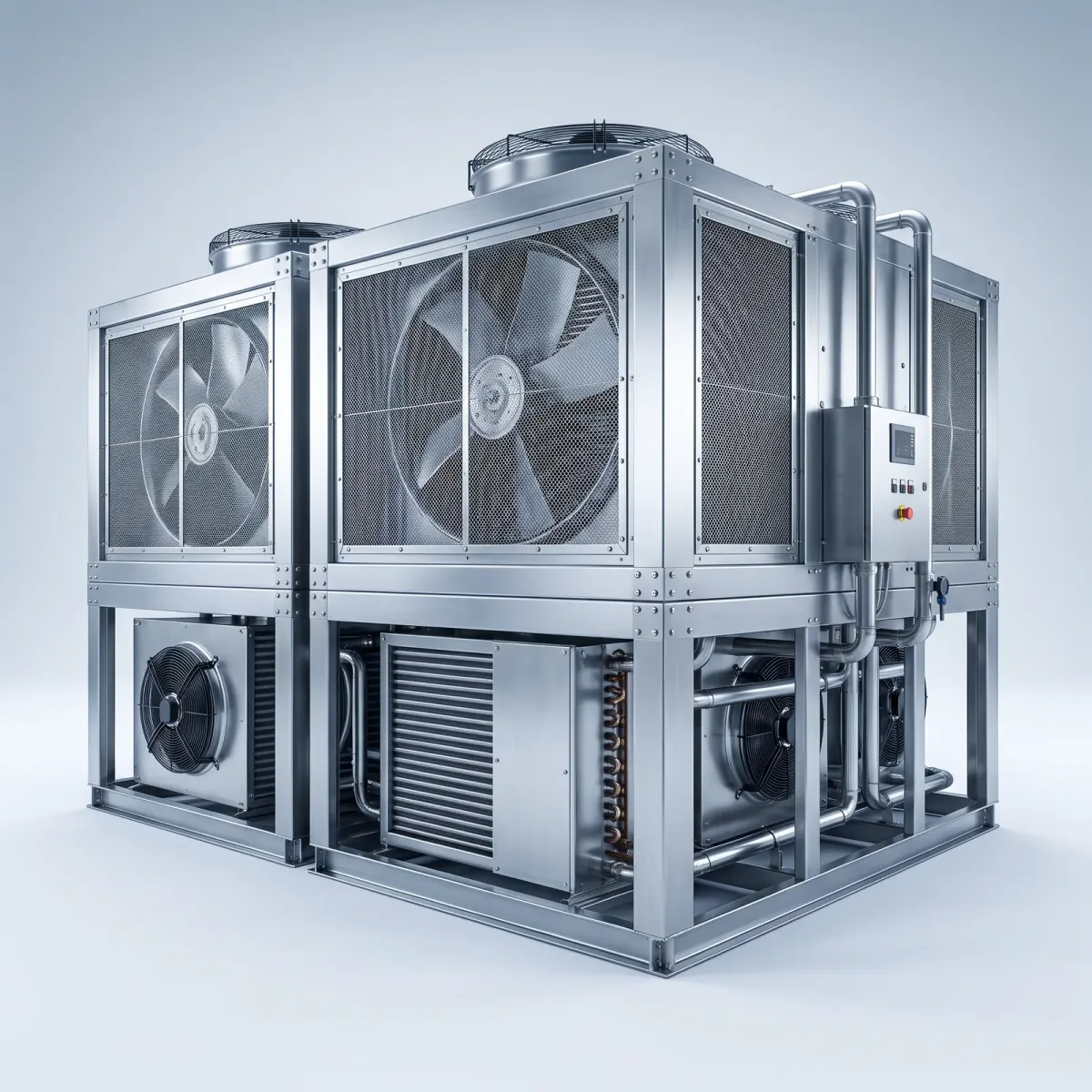
Cooling Towers
Closed-Circuit Cooling Tower
Sealed coil for water or glycol, 100–1,200 TR per cell
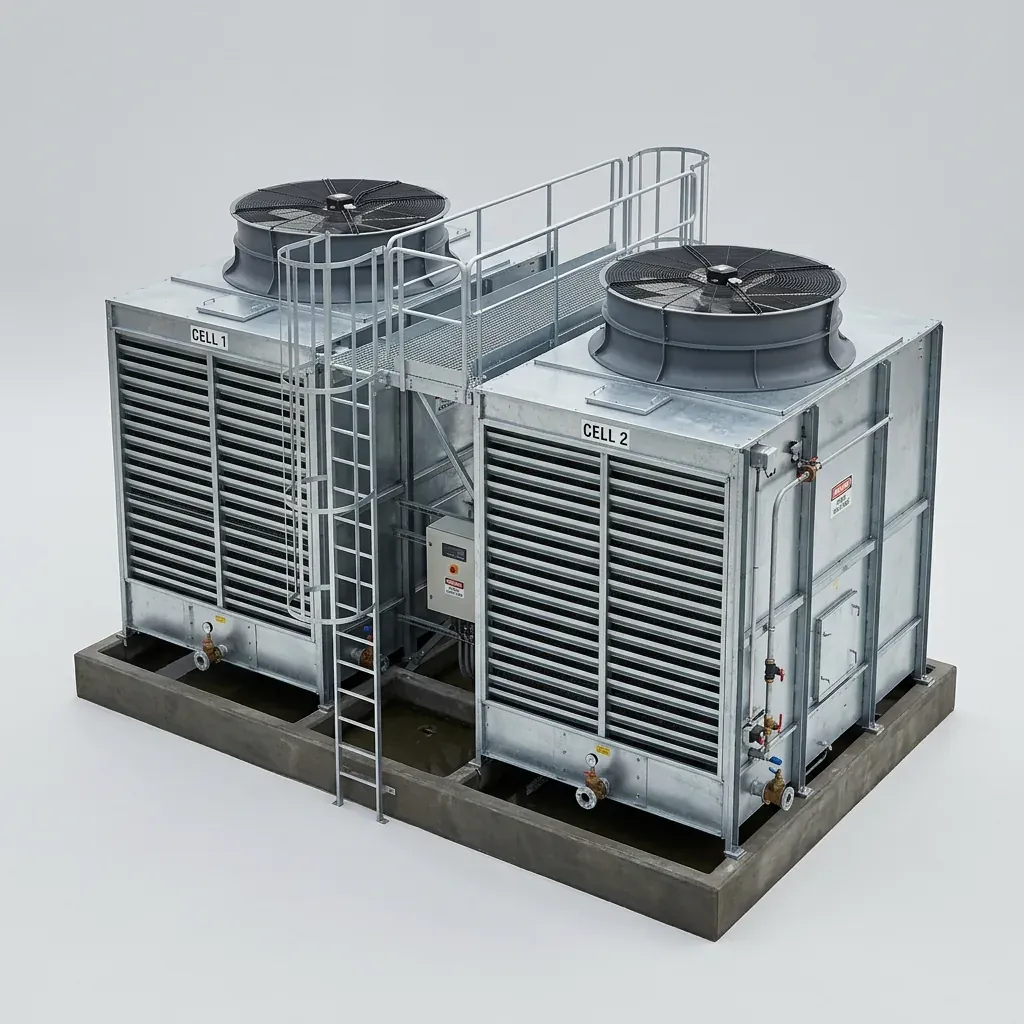
Cooling Towers
Industrial Crossflow Cooling Tower
Induced draught crossflow, single or multi-cell
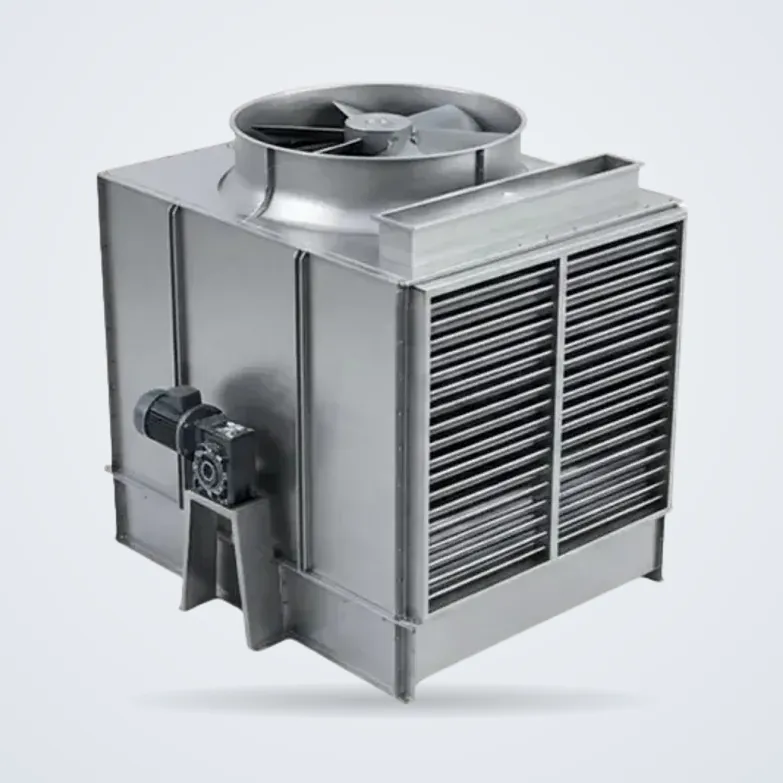
Cooling Towers
SSS Modular Cooling Tower
Modular towers for light commercial and process duty
Tower Internals & Spares
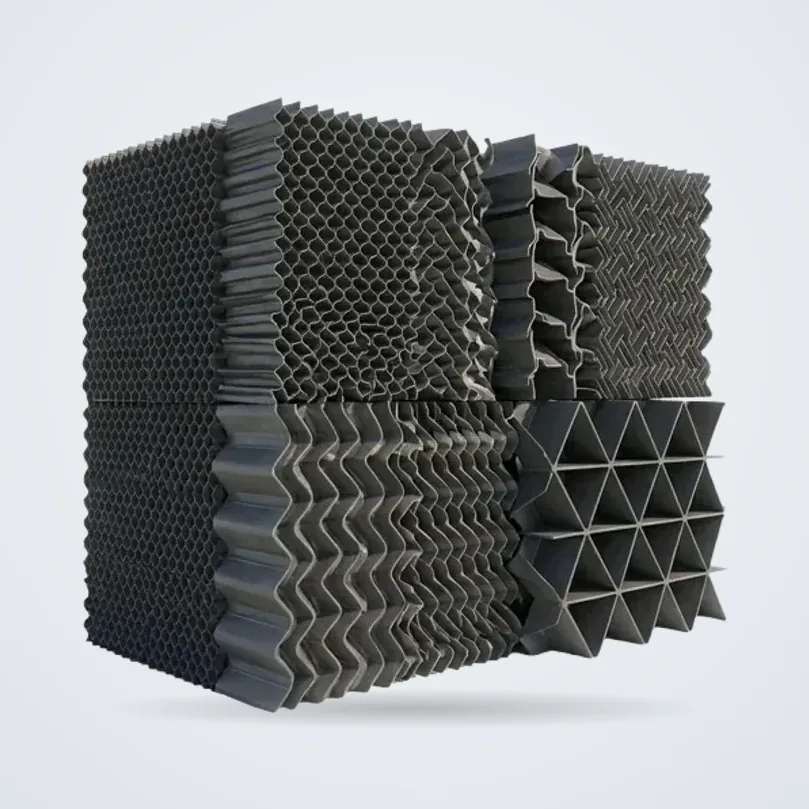
PVC Fill Media
Film fill packs cut to suit the tower
Tower Internals & Spares
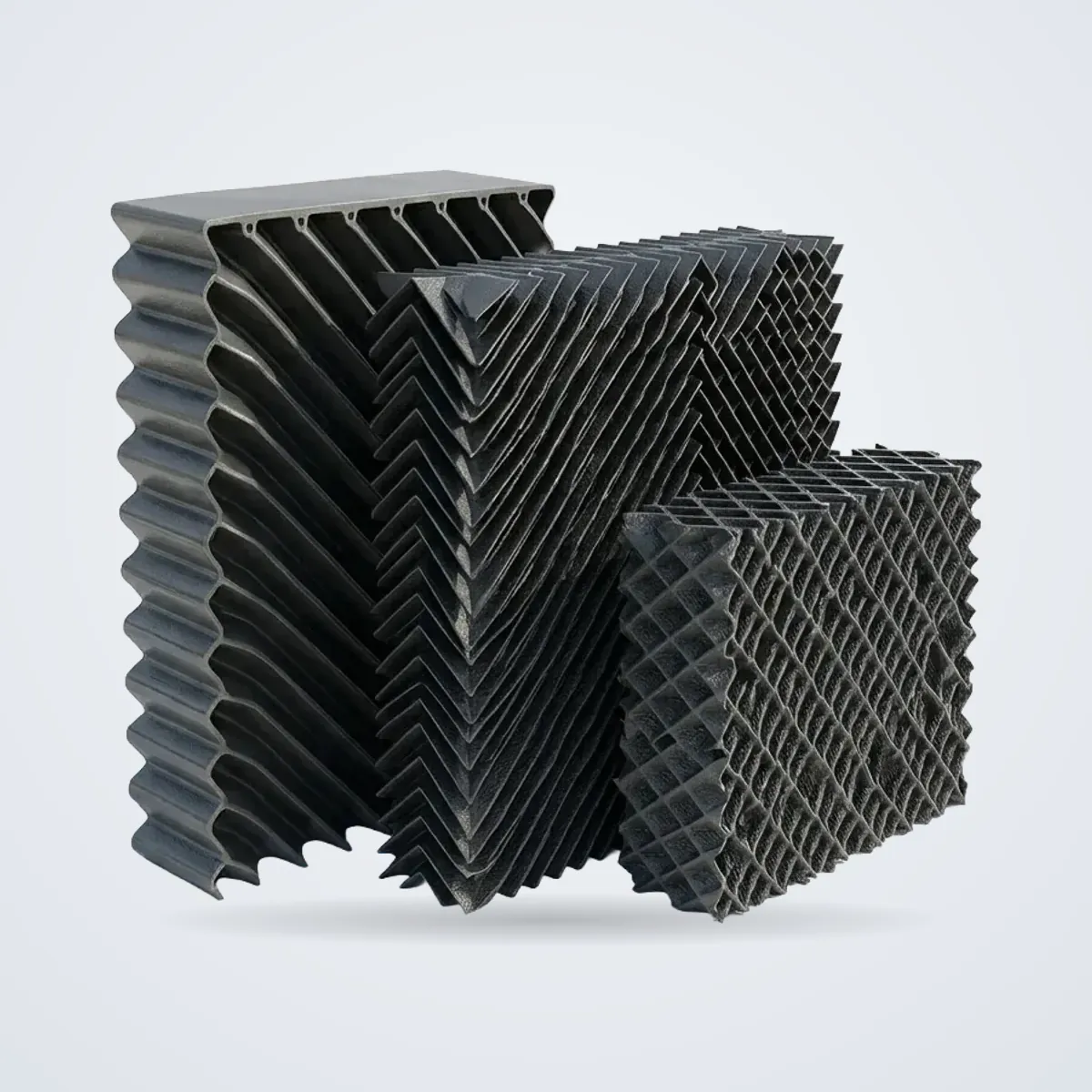
Drift Eliminators
Moulded PVC, three-pass
Tower Internals & Spares
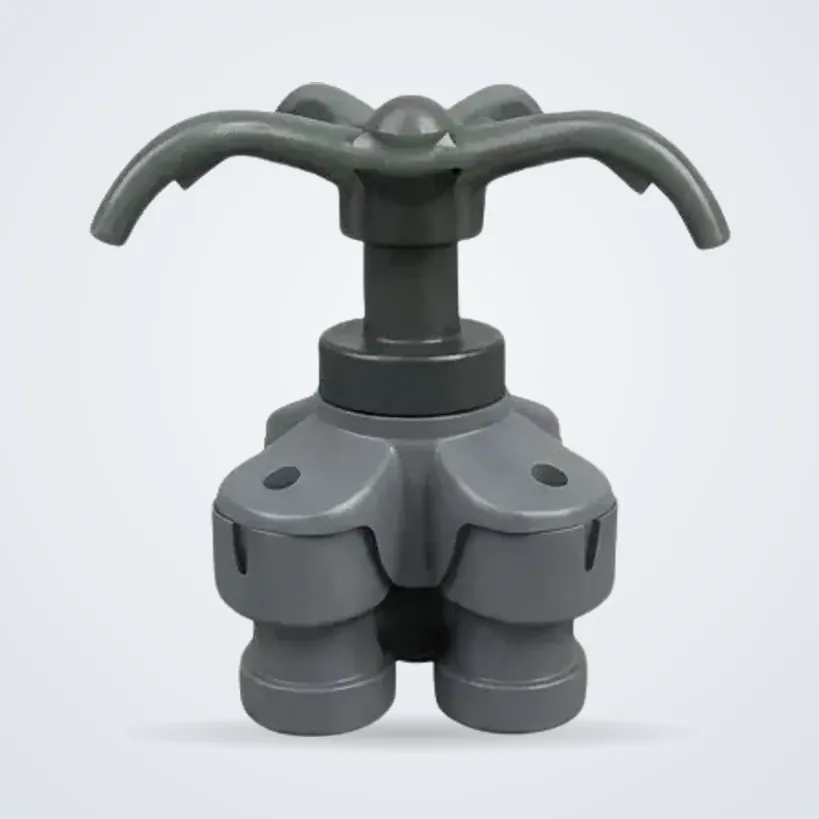
PVC Spray Nozzles
Removable nozzles for basins and spray headers
Asked before you ask
Straight answers to the questions we hear most on this service line.
Evaporative condenser, or a separate condenser and cooling tower?
An evaporative condenser is usually smaller, uses less pump energy and keeps the process fluid closed. A separate tower makes more sense where you already have a central condenser water circuit serving several loads. If it is genuinely close, we size both.
How much water does it use?
Consumption is driven by evaporation, drift and bleed. A closed circuit avoids the process-side losses of an open system, and correct drift eliminators keep carry-over minimal. Actual figures depend on load, water quality and cycles of concentration.
Can you upgrade an existing tower rather than replace it?
Often, yes. Fill media, drift eliminators, nozzles and drives are all replaceable, and a fill and eliminator change alone can recover a surprising amount of lost capacity. We hold those components.
Other service lines
- Shell & Tube Heat ExchangersThermal design, in-house fabrication, pressure testing and field re-tubing of shell and tube exchangers for process duty.
- Air-Cooled Condensers & Dry CoolersAir-cooled condensers, evaporators, radiators and dry coolers for sites where water is scarce, expensive, or not worth the treatment burden.
- HVAC & MEPMechanical, electrical and plumbing engineering for commercial and industrial facilities, from load calculation to a documented handover.
Tell us the load, the site and the timeline.
Send the duty, the site and anything written on the nameplate. An engineer replies with questions first, then a costed proposal.
Plant down right now? Call the breakdown line on +966 53 783 7389, any hour.